Mastering the Etsy Product Sale Scene
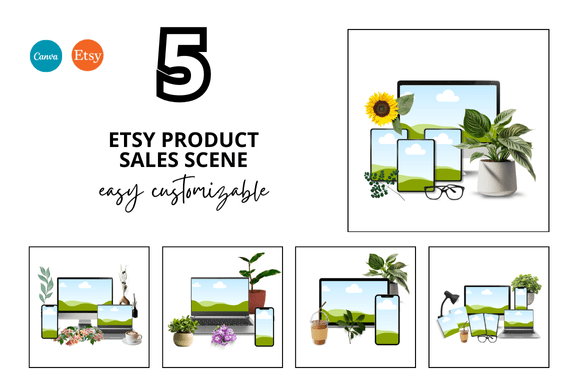
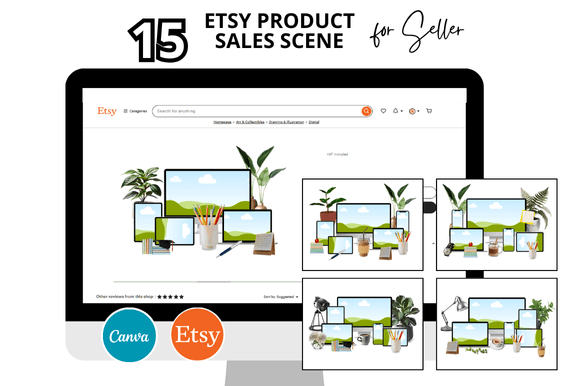
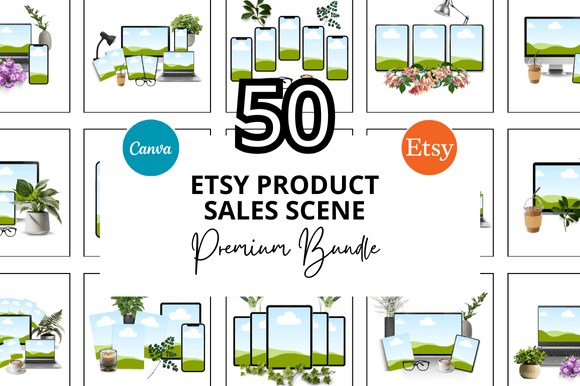
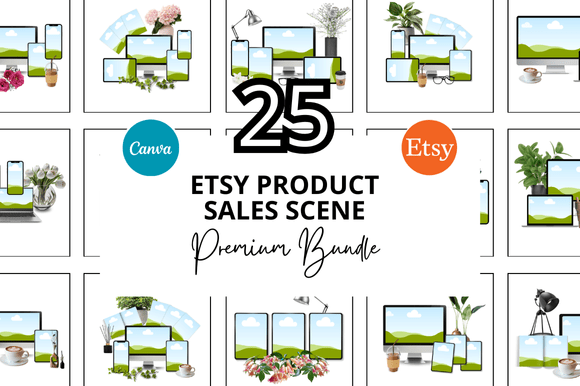
Scrolling through Etsy can feel like walking through a crowded marketplace. Every seller is competing for attention, and the difference between a quick sale and a skipped listing often comes down to a single moment: the product scene. The way you present what you sell tells a story, builds trust, and convinces a buyer to click "add to cart." For sellers, creators, and entrepreneurs alike, understanding the 5 Etsy Product Sale Scene approach can transform how you showcase your work and connect with the right audience.
This isn't about complicated photo equipment or expensive staging kits. It's about intentionality. Whether you sell handmade jewelry, digital planners, vintage home decor, or printable artwork, the scene you create around each product matters. Let's break down what this actually means and how you can use it to move more inventory without burning out.
What Exactly Is an Etsy Product Sale Scene?
A product sale scene is the visual and contextual environment you build around an item in your Etsy listing. It goes beyond a simple white-background photo. The scene includes props, lighting, angles, setting, and even the emotional tone of the image. Think of it as a mini stage where your product plays the starring role. The 5 Etsy Product Sale Scene framework refers to five distinct scene types or strategies that cover the most common product categories on the platform. Each scene is designed to highlight specific qualities of your product—whether it's texture, size, usability, or aesthetic appeal.
For example, a ceramic mug photographed on a rustic wooden table with morning light and a coffee pour tells a completely different story than the same mug shot flat against a white wall. The first scene suggests warmth, routine, and quality. The second just shows an object. Buyers on Etsy are often looking for feeling and identity, not just a transaction. Your scene delivers that feeling before the product even arrives.
Why Scenes Drive Sales More Than Product Shots Alone
Standard product photography is useful, but it rarely creates emotional pull. A scene, on the other hand, gives context. It answers unspoken questions: Where would I use this? Does this fit my style? What does this say about me? When a scene feels authentic and well composed, it reduces the mental effort a buyer needs to imagine the product in their own life. That lowered friction directly increases purchase likelihood.
The 5 Etsy Product Sale Scene approach works because it categorizes different selling contexts. One scene might emphasize luxury and detail for high-ticket items. Another might focus on scale and utility for practical goods. By matching the scene type to the product personality, you create coherence across your shop. Buyers start to trust your brand because the presentation feels consistent and intentional.
Key Characteristics of an Effective Product Scene
Not every scene works for every product. But effective scenes share a few core traits. Understanding these helps you evaluate your own listings and identify what might be holding them back.
- Clarity of focus. The product should remain the primary subject. Props support the story, not distract from it.
- Natural lighting or well-controlled artificial light. Harsh shadows or overly processed filters can make a product look cheap or misleading.
- Relevant context. The background, textures, and colors should align with the product's intended use or audience.
- Emotional resonance. The scene should evoke a feeling that matches the buyer's desired outcome—calm, excitement, nostalgia, productivity.
- Authenticity. Overly staged or generic stock-scene vibes get ignored. Real-looking settings with slight imperfections often perform better.
These characteristics apply whether you're shooting with a smartphone or a professional camera. What matters most is intentionality and consistency across your listings.
Scene Types Within the 5 Etsy Product Sale Scene Framework
While every product is unique, most fall into one of five scene categories. Recognizing which category fits your item helps you plan photos faster and with less guesswork.
The lifestyle scene places the product in a real-world setting with a human element—hands holding the item, a desk setup with a digital planner, or a living room corner with a throw blanket. This is powerful for home decor, accessories, and anything where use context matters. The detail scene focuses on close-ups of material, texture, or craftsmanship. Great for handmade goods, jewelry, and specialty paper goods. The scale scene uses familiar objects to show size, like a notebook next to a coffee cup. The flat lay scene works well for digital products, printables, and small items arranged top-down. Finally, the minimal scene strips everything back to clean lines and muted backgrounds, ideal for modern or premium branding.
If you're just starting, pick one or two scene types that align with your product category and test them across a few listings. Track which photos get the most saves and click-throughs. The 5 Etsy Product Sale Scene method is flexible enough to adapt as you learn what resonates with your audience.
Practical Applications Across Different Contexts
The beauty of this framework is that it works whether you're a full-time Etsy seller, a hobbyist testing the waters, or a marketer helping a client grow their shop. Here's how different people can apply it.
For Creators and Hobbyists
If you sell handmade items as a side project, you don't need a photo studio. Use natural window light and simple props from around your home. A knitted scarf photographed on a wooden chair with soft morning light tells a warm story. Focus on one or two scene types that feel natural to your style. Overcomplicating the setup will drain your energy. The 5 Etsy Product Sale Scene approach helps you stay focused on what matters: showing the product in a way that feels true to you.
For Entrepreneurs and Business Owners
Running a shop at scale means efficiency matters. Create a consistent scene template for each product category. For example, all digital planners get a flat lay on the same desk surface with the same pen and coffee mug. That consistency builds brand recognition and speeds up production. You can batch shoot all your listings in a few hours rather than reinventing each scene from scratch.
For Educators, Bloggers, and Publishers
Even if you don't sell physical products on Etsy, the scene concept applies to digital content like printables, courses, and templates. A scene that shows a filled-out planner page on a desk with a laptop in the background suggests productivity and real use. That visual proof helps buyers see value in your digital offering. The same principles of context, lighting, and emotion apply to screenshots and mockups.
For Marketers and Freelancers
If you help clients optimize their Etsy shops, the 5 Etsy Product Sale Scene framework gives you a repeatable system for auditing listings. You can quickly identify which scene type is missing or underused. A client selling artisan soap might only have product shots, but a lifestyle scene showing the soap in a bathroom with natural light could dramatically improve conversion. You're not guessing—you're applying a proven visual strategy.
Benefits You Can Expect From Better Product Scenes
Improving your product scenes isn't just about prettier photos. It has real, measurable effects on your shop performance and your own workflow.
Higher conversion rates. When a buyer can immediately picture your product in their life, they hesitate less. More saves, more clicks, more sales.
Fewer returns and misunderstandings. A good scene shows scale, texture, and use clearly. Buyers know exactly what they're getting, which reduces disappointment.
Stronger brand identity. Consistent scenes across your listings create a cohesive visual story. Over time, people recognize your shop's style.
Less time per listing. Once you settle on a scene type that works, you can replicate it quickly. You stop overthinking backgrounds and props every time.
Better engagement on social media. Scenes that tell a story perform better on platforms like Instagram and Pinterest. You can repurpose listing photos for promotion without extra effort.
These benefits compound over time. The first improved scene might bring a few extra sales, but a full shop transformation builds momentum and buyer trust at scale.
Practical Considerations and Recommendations
Before you start rearranging your entire shop, take a step back. Evaluate what you already have. Review your current listings and identify patterns. Do your scenes feel flat? Are you relying on the same angle for every product? Is the lighting inconsistent? Use the 5 Etsy Product Sale Scene categories as a diagnostic tool. Ask yourself which scene type best fits each product and whether your current photos deliver that context.
Start with your top three to five listings. Rework their scenes based on the framework and track performance over the next month. Compare click-through rates, favorites, and conversion before and after. That data tells you what's working better than any general advice can.
One common mistake is overpropping. You don't need to include every detail of a "lifestyle" in one photo. A single hand holding the product, or one complementary object, is often enough. The buyer's brain fills in the rest. Trust the simplicity.
Also consider your platform limitations. Etsy's image dimensions and layout work best with square or slightly vertical shots. Keep the product centered and large enough to see in thumbnail view. The scene should read clearly even at small sizes because that's where most buyers first encounter your listing.
Finally, be patient. Building a visual language for your shop takes time and iteration. You won't nail every scene on the first try. But each improvement moves you closer to a storefront that feels professional, trustworthy, and irresistible. The 5 Etsy Product Sale Scene framework is a tool, not a rigid formula. Adapt it to your products, your style, and your audience. That's where the real results come from.