How a Bonus 140 Etsy Listings Mockup Can Transform Your Shop Strategy
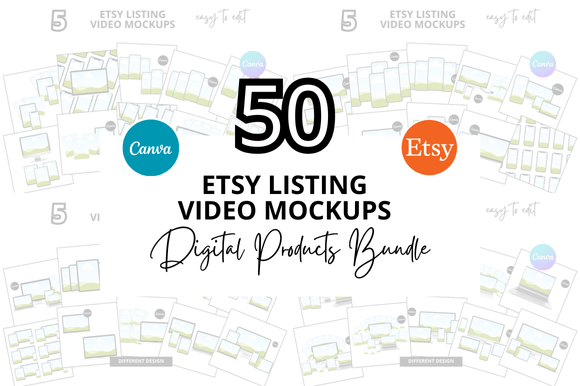
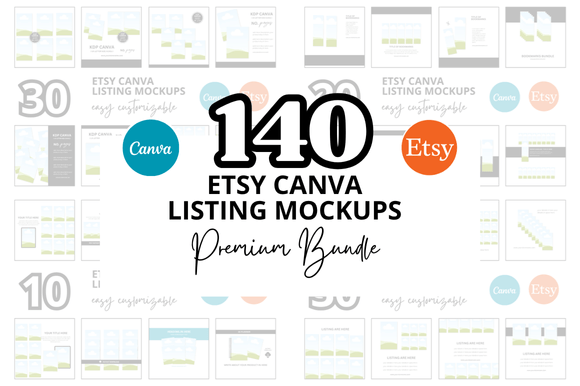
Building a successful Etsy shop takes more than great products. It requires consistent, high-quality listings that speak directly to buyer intent. Yet many sellers find themselves stuck after just a handful of listings, unsure what to add next or how to structure their catalog for maximum visibility. That is where a resource like the Bonus 140 Etsy Listings Mockup becomes genuinely useful. Rather than staring at a blank listing form, you gain a structured template that shows exactly what a complete, optimized listing looks like across dozens of product types.
What the Bonus 140 Etsy Listings Mockup Actually Provides
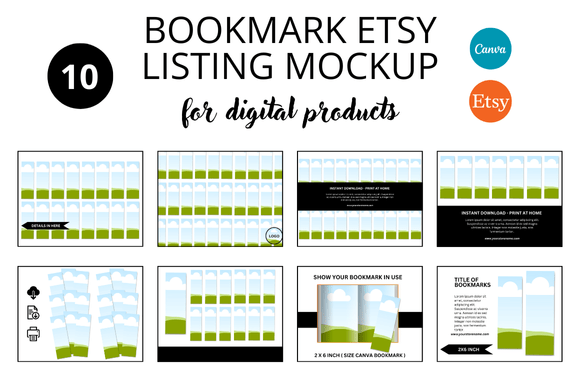
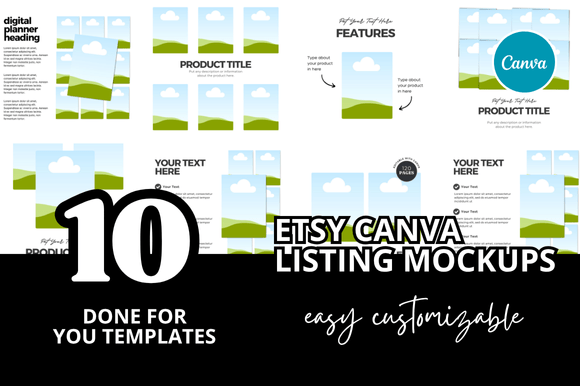
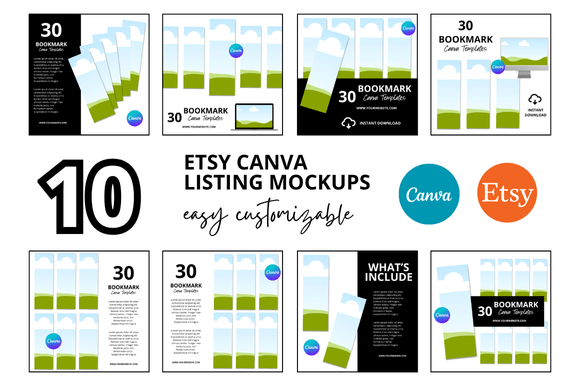
At its core, this mockup is a collection of pre-designed listing examples tailored to Etsy’s specific formatting and best practices. Each mockup includes placeholder text for titles, tags, descriptions, and pricing, giving you a concrete reference point. Instead of guessing how to phrase a title or which attributes to fill in, you see a finished example. The value lies not in copying the mockups word-for-word, but in using them as a scaffold for your own products. For sellers who feel uncertain about writing effective copy or structuring categories, this removes a major barrier to action.
Many Etsy sellers struggle with listing fatigue. After creating ten or fifteen items, the creative energy fades, and the process becomes tedious. A mockup set of 140 listings reframes that challenge. It shifts your focus from “I need to invent something new” to “I need to adapt a proven structure to my own products.” That psychological shift alone can help you maintain momentum and build a robust shop faster.
Common Challenges That Make Listing Creation Difficult
Several recurring problems slow down Etsy sellers, especially those new to the platform or those expanding into new product lines. First is the blank page problem. When you open a new listing, the form asks for title, description, tags, materials, category, and more. Without a reference, it is easy to overthink every field. Second is inconsistency. Many shops have some strong listings and several weak ones, which confuses both buyers and the search algorithm. Finally, there is the scale barrier. You may know you need more listings to grow, but the mental effort of creating each one from scratch makes it hard to reach double digits, let alone triple digits.
The Bonus 140 Etsy Listings Mockup directly addresses each of these issues. It provides a consistent template across all 140 examples, so you can maintain a uniform tone and structure. It eliminates the blank page because you always have a starting point. And by offering a large volume of examples, it encourages you to think in terms of quantity as well as quality, helping you break through the ceiling of too few listings.
For sellers who worry about sounding repetitive, the mockup demonstrates how to vary language while keeping the same underlying structure. You can see how different product types require different keyword placement and benefit statements. This teaches you the principles of listing optimization without forcing you to learn search engine theory first.
How Different Sellers Use the Mockup Differently
One of the strengths of this resource is its flexibility. A brand new seller may use the mockup as a checklist, filling in each field exactly as shown but substituting their own product details. This hands-on approach builds confidence and teaches the listing process through repetition. After a few listings, the structure becomes second nature, and the seller can begin making their own improvements.
An experienced seller with an established shop might use the mockup differently. They may already have strong listings but need to expand into new categories or seasonal products. The mockup provides a shortcut for testing new niches. Instead of spending an hour crafting the perfect first listing in a new category, they can adapt a relevant mockup in twenty minutes and see how it performs. If it gains traction, they invest more time into that category. If not, they move on quickly without losing a full day of work.
Some sellers use the mockup as a training tool for assistants or virtual employees. By sharing the file, they ensure everyone on the team uses the same formatting, tone, and keyword strategy. This consistency protects the shop’s brand voice and helps maintain search rankings across dozens or hundreds of listings. For shop owners scaling up, this alone can save hours of editing time.
Practical Applications and Real Outcomes
Using the mockup effectively means going beyond simple copying. Start by sorting the 140 examples into categories that match your product line. If you sell home decor, focus on the mockups that describe furniture, wall art, and textiles. If you sell craft supplies, pull from examples related to tools, materials, and kits. Grouping them this way helps you see patterns in how similar products are described, which in turn helps you write more naturally for your niche.
After grouping, write your first listing using the mockup as a guide. Keep the same structure but change every word to match your product. Then write the next listing with the same structure but different product details. By the third or fourth listing, you will notice the rhythm of effective titles and descriptions. You will also see how varying SEO keywords across different products creates a strong overall shop presence.
The outcome most users report is a significant increase in listing volume over a short period. Instead of adding one or two listings per week, they add ten or fifteen. This volume boost often correlates with improved shop traffic because Etsy’s algorithm favors active, growing shops. More listings also mean more opportunities to rank for long-tail search terms, which tend to convert well because they capture specific buyer intent.
Another practical outcome is better organization. The mockup forces you to think about categories, attributes, and tags systematically. Many sellers discover they have been leaving important fields blank or using inconsistent tags. Once they align their listings with the mockup’s structure, their shop presents a more professional front, which builds buyer trust.
Recommendations for Getting the Most Out of the Resource
To maximize the benefit of the Bonus 140 Etsy Listings Mockup, treat it as an active workbook rather than a passive reference. Print out or open a few mockups each day and write one listing based on each. Set a timer for twenty minutes per listing to avoid perfectionism. The goal is progress, not perfection. You can always edit and optimize later, but getting a listing live is the first and most important step.
Consider using the mockup in combination with a keyword research tool. Identify a handful of high-potential keywords for your niche, then find a mockup that fits each keyword. This ensures your new listings are not only well structured but also strategically targeted. The mockup provides the container, and your keyword research fills it with the right words.
Another useful approach is to review your existing listings against the mockup. Pick your five worst-performing listings and rewrite them using the mockup’s format. You may find that simple changes—like rewriting the title to start with the most important keyword or adding specific tags you omitted—lead to noticeable improvements in views and clicks. Refreshing old content is often faster than creating new content, making this a high-leverage activity.
If you collaborate with other sellers or belong to an Etsy team, consider using the mockup as a shared resource. Compare how different members adapt the same example to their products. This exchange of ideas can reveal new ways to use the template that you had not considered. It also builds a sense of community around shared goals of shop growth and quality.
Important Considerations When Using a Large Mockup Set
While a collection of 140 examples is powerful, it requires discernment. Not every mockup will fit your niche, and forcing a mismatch can lead to listings that feel generic. Use only the examples that relate to your product type. If you sell handmade jewelry, do not waste time adapting a mockup meant for digital downloads. Focus on the examples that mirror your own product category, pricing range, and customer demographic.
Also, remember that mockups are starting points, not finished products. Etsy’s search algorithm favors unique, detailed descriptions that match what buyers type into the search bar. If your listing reads exactly like the mockup, it may not stand out or capture niche queries. Always customize the description to include specific measurements, materials, color names, and use cases that are relevant to your actual item. The mockup teaches structure; you provide the authenticity.
Another consideration is the balance between quantity and quality. The mockup makes it easy to create listings quickly, but each listing still needs accurate photos, precise measurements, and honest condition notes. If you rush through the process just to hit a number, you risk disappointing buyers and hurting your shop’s reputation. Use the mockup to accelerate your workflow, but never skip the essential verification steps that every listing requires.
Finally, keep your shop’s brand voice consistent. The mockup may use a certain tone or phrasing that does not match your style. Adjust the language to sound like you. Buyers respond to authenticity, and a shop with a clear personality often outperforms a generic one. The mockup is a tool for efficiency, not a replacement for your own voice.
Long-Term Benefits of Adopting a Mockup-Based Workflow
Once you build a habit of using structured mockups, listing creation becomes faster and less mentally draining. That efficiency frees up time for other important tasks like photography, customer service, and marketing. Over months, you will likely maintain a larger, more consistent shop than you would have without the template. This sustained activity signals to Etsy that your shop is active and relevant, which can lead to better placement in search results.
Additionally, the mockup helps you develop a mental library of effective listing patterns. Even if you eventually stop using the physical mockup, you will carry its structure with you. You will instinctively know how to start a title, which fields to prioritize, and how to organize a description. That skill is valuable whether you sell on Etsy for years or decide to expand to other platforms.
For sellers who aim to turn their shop into a full-time income, the ability to create high-quality listings quickly is a competitive advantage. The Bonus 140 Etsy Listings Mockup gives you a repeatable process that can scale as your product line grows. Instead of reinventing the wheel for each new item, you rely on a proven framework and spend your creative energy on the details that set your products apart.
Ultimately, the value of this resource is not in the 140 examples themselves but in the confidence and momentum they provide. When you know exactly what a good listing looks like, you stop hesitating and start listing. That action, repeated consistently, is what builds a thriving Etsy shop. Whether you are just starting out or looking to reorganize an existing shop, a structured mockup set offers a practical, low-friction path toward a more complete and professional storefront.