Using Card Etsy Listings Mockups Strategically for Better Results
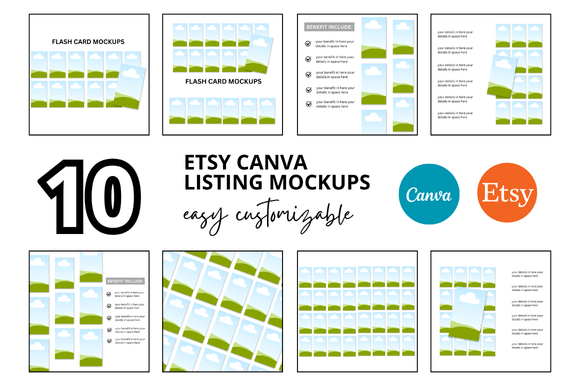
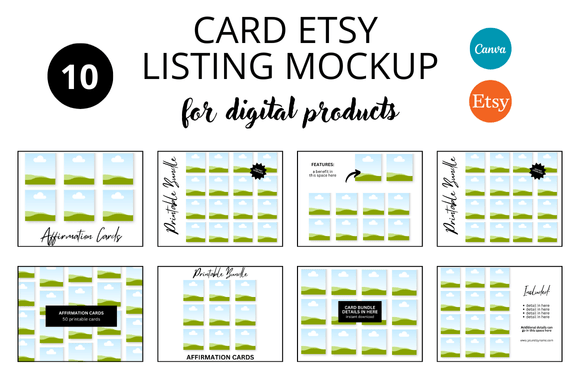
If you sell cards on Etsy—whether greeting cards, art prints, postcards, or branded stationery—how you present your product in the listing can determine whether a browser becomes a buyer. A Card Etsy Listings Mockup is a pre-designed template that allows you to place your card design into a realistic or styled scene, giving potential customers a clear sense of size, finish, and context. While mockups are widely used, many sellers treat them as an afterthought rather than a strategic tool. When chosen and applied with intention, a mockup can strengthen your brand, improve conversion rates, and save you time across multiple listings. This article walks through when and how to use a Card Etsy Listings Mockup as part of a thoughtful selling strategy.
What a Card Etsy Listings Mockup Actually Does for Your Shop
A mockup for card listings typically shows your design inside a photograph of a card in hand, propped against a desk, placed in an envelope, or displayed in a frame. It is not simply a stock photo; it is a visual tool that communicates scale, texture, and usage. For customers shopping on mobile or desktop, a well-chosen mockup can answer questions that text alone cannot: How big is this card? Is it flat or folded? Would it fit in a standard envelope? The right mockup also builds emotional connection by showing the card in a context that feels relevant to the buyer’s needs—birthday, thank you, holiday, or business branding.
Strategically, mockups are part of your positioning. If your shop sells premium handmade cards, a mockup that uses soft lighting and natural materials reinforces that quality. If you target corporate clients for branded note cards, a clean, minimalist mockup signals professionalism. The Card Etsy Listings Mockup you choose becomes a silent representative of your brand voice long before a customer reads your description.
Aligning Mockups with Your Business Goals
Before selecting a mockup, it helps to clarify what you want it to achieve. Are you trying to increase click-through rates from search results? Improve conversion from listing views to sales? Establish a consistent visual identity across fifty listings? Each goal may call for a different approach.
For example, if your primary goal is higher search visibility, you will want a mockup that creates a high-contrast, immediately readable thumbnail. A flat lay with your card centered and clean negative space often works better than a busy scene. On the other hand, if your goal is to communicate the card’s use case—say, a graduation card meant to be displayed—then a lifestyle mockup showing the card in a room setting can resonate more deeply. By matching mockup style to your objective, you avoid the trap of using a pretty image that does not drive action.
Entrepreneurs and small business owners often juggle multiple product lines. A smart use of a single Card Etsy Listings Mockup set—one that allows you to swap your artwork into the same scene—can create a cohesive collection feel. This supports branding and reduces the time spent on photography. For creators and freelancers who run Etsy alongside other work, efficiency matters as much as aesthetics.
When to Use a Mockup vs. Real Photography
One of the most common strategic questions is whether to rely on mockups or invest in photographing actual products. The answer depends on your resources, product type, and stage of business. Mockups excel in three situations: when you are launching a new shop and need multiple listings quickly, when your card designs change frequently (such as seasonal collections), and when you want to show variations like color options without staging each one. They are also invaluable for testing ideas before ordering a print run.
However, mockups have limits. If your cards have unique finishes—foil stamping, letterpress, or handmade paper—a generic mockup may not capture the tactile quality. In that case, combining one mockup for context with one real photograph for detail is often a stronger approach. Many successful sellers use a mockup for the primary listing image and a real photo for the second image. This gives customers both the aspirational view and the realistic one.
Selecting a Mockup That Serves Your Audience
Consider who is buying your cards. A busy professional looking for a thank-you card may value quick recognition of size and style. A hobbyist buying art prints might want to see how the card looks on a wall or desk. A small business owner ordering custom note cards may need a mockup that shows the card in a professional setting, such as on a desk with a pen. The best mockup answers the unspoken question your ideal customer has.
When browsing mockup templates, look for those that offer high resolution, natural lighting, and accurate scale cues. Many Card Etsy Listings Mockup sets include multiple angles: front view, open view, and hand-held. For a listing to convert, you need at least two to three different perspectives so the buyer can mentally place the card into their own context. Avoid mockups that distort the card’s proportions or show it in an exaggerated size. Trust is built on honest representation.
Practical Planning Tips for Using Mockups at Scale
If you manage dozens of card listings, planning your mockup approach in advance saves frustration later. Create a simple template for each listing that includes the mockup image, the color palette you will use for backgrounds, and consistent cropping. This does not mean every listing looks the same, but they share a visual family. Customers scrolling through your shop will recognize your brand faster when the mockup style remains coherent.
Another planning strategy involves A/B testing. Etsy allows you to change listing images, so you can try one mockup style for a month and compare performance against another. For example, test a flat lay versus a lifestyle shot. Track views and conversion rates. Over time, you will see which style resonates with your specific audience. This is especially valuable for educators and professionals who sell informational cards or planners—they often need to show the card’s interior structure, and a mockup that reveals both front and inside can lift sales.
For freelancers and bloggers selling printable cards, mockups become even more strategic. Since the customer prints the card themselves, the mockup must clearly show the final printed result. Use a mockup that includes paper texture and realistic shadows so the buyer feels confident in the product. Add a note in the description that the mockup shows a professional print, and that home printer results may vary. Honesty upfront reduces returns and negative reviews.
Risks of Using Mockups Without Clear Intent
Relying on a Card Etsy Listings Mockup without thoughtful selection can hurt your shop in several ways. The most common error is choosing a mockup that misrepresents the card’s actual size or color. If the mockup makes the card appear larger than it is, customers will feel deceived when the product arrives. This leads to lower reviews and higher return rates. Similarly, if the mockup has busy backgrounds that distract from the card design, the listing may fail to communicate the product’s core value.
Another risk is visual fatigue. Using the same generic mockup that dozens of other sellers use dilutes your uniqueness. When shoppers see the same scene repeatedly, they may subconsciously lump all those shops together, reducing differentiation. Always customize your mockup with your own branding colors, props, or slight edits. Some sellers add their shop name subtly over the mockup or adjust the lighting to match their style. Small touches make a difference.
Additionally, over-reliance on mockups can stall your learning. Photographing your own cards teaches you about lighting, angles, and customer perception. If you never shoot real photos, you may miss insights into how your product truly behaves. A balanced strategy includes both mockups and original images, at least for your top-selling listings.
Building Long-Term Consistency and Trust
Long-term success on Etsy often comes from trust and recognition. A consistent mockup style helps customers feel they are buying from a professional seller. When you update your listings with new seasonal designs, but keep the same mockup background and layout, returning customers feel familiarity. This is especially useful for marketers and publishers who sell recurring card sets, such as monthly subscription boxes or holiday collections.
From an operational perspective, using a single Card Etsy Listings Mockup template for multiple products reduces the time spent on photography or design. This efficiency lets you focus on other areas like customer service, inventory, or marketing. For small business owners, that time saving directly impacts profitability. Instead of spending an hour staging each card individually, you can upload a new design into your mockup in minutes and list it the same day.
Educators and creators who sell cards as supplements to their main offerings—like coaching materials or workshop handouts—can also benefit. A mockup that shows the card alongside a notebook or planner communicates its usefulness beyond gifting. Think beyond the product itself and consider the experience you want the buyer to have. The mockup is your stage.
Decision-Making Framework for Choosing a Mockup
To make the process intentional rather than random, ask yourself three questions before purchasing or creating a mockup:
- Who is the buyer, and what cue will reassure them most? For a formal invitation, a mockup showing the card with an envelope and wax seal may be ideal. For a casual greetings card, a hand-held shot with a coffee cup may feel warmer.
- What action do I want the image to drive? If the goal is to stand out in search, prioritize clarity and contrast. If the goal is to increase add-to-cart rate, show the card in a way that suggests its use.
- How will this mockup fit with my other listings? Consistency across your shop supports a professional impression. If you already use wooden table backgrounds, keep that theme. If you use pastel walls, continue.
These questions are not complicated, but they force you to move from impulse to strategy. Over time, you will develop an instinct for which mockups work best for your product line and audience. You will also learn when to break your own rules—for a special launch or collaboration, you might choose a completely different mockup style to signal novelty.
Integrating Mockups into Your Broader Branding
Your Card Etsy Listings Mockup is not an island; it interacts with your shop banner, your logo, your description tone, and your packaging. When all these elements align, the customer feels a coherent experience. For example, if your shop brand is playful and colorful, a mockup with a neutral minimal background might feel disconnected. Match the mockup’s mood to your brand’s personality. This seems obvious, but many sellers buy a mockup because it looks professional, without checking whether it fits their voice.
For decision-makers managing a team or a growing shop, standardizing mockup use through a style guide can improve quality control. Outline which mockup styles are approved, how colors should be adjusted, and what text overlays (if any) are acceptable. This reduces the chance that different team members create listing images that clash. It also makes onboarding new assistants or freelance designers faster.
Final Considerations for Intentional Use
A Card Etsy Listings Mockup is not a shortcut to success, but a tool that amplifies your strengths when used wisely. The best mockup does not hide your product; it presents it in the best possible light while staying truthful. Do not let the convenience of mockups replace the hard work of understanding your customers, refining your designs, and building a reputation. Let them serve your strategy, not define it.
Whether you are a hobbyist launching your first five items or a professional selling hundreds of card variations, the thoughtful use of mockups can elevate your shop, save you time, and lead to more confident purchases. Choose your mockups as carefully as you choose your cardstock. Every element of your listing should move a browser one step closer to becoming a loyal customer.