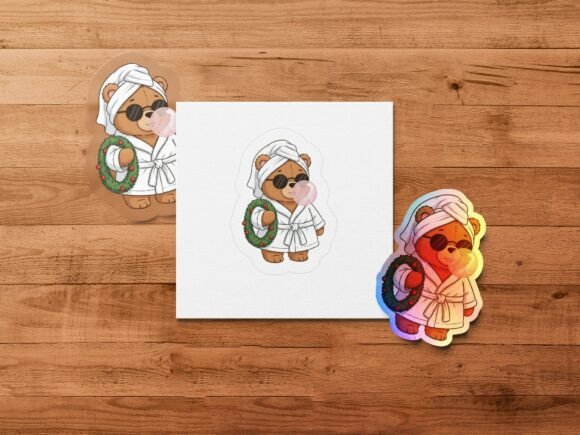
The Spa Day Teddy Bear: How Comfort Objects Are Redefining Modern Wellness for Professionals
In an era defined by constant connectivity, mounting workplace demands, and the blurring of boundaries between professional and personal life, the search for meaningful moments of respite has never been more urgent. Enter the Spa Day Teddy Bear—a deceptively simple yet strategically designed comfort object that is quietly reshaping how busy professionals approach self-care, stress management, and even creative flow. Far from a nostalgic throwback to childhood, this emerging product category sits at the intersection of sensory wellness, mindful design, and the evolving expectations of what it means to recharge in a hyper-productive world.
For marketers, entrepreneurs, and creators, the rise of the Spa Day Teddy Bear offers a compelling case study in how consumer needs are shifting toward tangible, multi-sensory experiences that deliver genuine emotional and physiological benefits. This article unpacks what the Spa Day Teddy Bear truly represents, why it is capturing the attention of professionals across industries, and how it fits into larger movements in wellness, workplace culture, and consumer behavior.
What Exactly Is a Spa Day Teddy Bear?
At its core, a Spa Day Teddy Bear is a plush companion designed specifically to facilitate relaxation and sensory comfort. Unlike a standard stuffed animal, it typically incorporates features associated with spa and self-care environments: gentle lavender or chamomile scents, weighted filling for deep pressure stimulation (similar to a weighted blanket), soft textures that invite touch, and sometimes even removable, machine-washable covers that can be warmed or cooled. The design is intentional—it is not merely a toy but a tool for grounding, calming, and restoring focus.
Professionals who integrate a Spa Day Teddy Bear into their daily routines often report using it during breaks between intense work sessions, while unwinding after virtual meetings, or as a companion during evening wind-down rituals. It serves a role similar to that of a meditation cushion, a stress ball, or a weighted lap pad—but with a softer, more inviting form factor that lowers the psychological barrier to actually using it. The teddy bear shape evokes comfort without demanding a specific posture or practice, making it accessible to even the most skeptically-minded entrepreneur or freelancer.
The Deeper Trend: Sensory Wellness in the Professional Sphere
The emergence of the Spa Day Teddy Bear is not an isolated novelty. It reflects a broader, data-backed shift toward sensory wellness as a legitimate workplace and lifestyle priority. Over the past five years, research on polyvagal theory, sensory regulation, and the neuroscience of touch has moved from academic journals into mainstream professional discourse. We now understand that tactile comfort, pleasant scents, and gentle pressure directly influence the nervous system, lowering cortisol levels and promoting a state of calm alertness—exactly the state professionals need to perform at their best.
Entrepreneurs and creators, in particular, face unique stressors: irregular schedules, financial uncertainty, and the cognitive load of wearing multiple hats. Traditional self-care advice—"take a bubble bath" or "go for a walk"—often feels impractical during a tight deadline or a late-night work session. The Spa Day Teddy Bear addresses this gap by offering a portable, low-friction intervention that fits into the rhythms of a demanding day. It can sit on a desk, be held during a phone call, or simply rest nearby as a visual cue to breathe and reset.
For marketers, this trend signals an opportunity to reposition comfort objects not as indulgences or regressions, but as productivity tools and wellness investments. The language around such products should emphasize utility, science-backed benefits, and the specific pain points they solve for overworked professionals.
Why Professionals Are Paying Attention
The Spa Day Teddy Bear is gaining traction among professionals for several interconnected reasons, each tied to changing work environments and expectations.
1. The Hybrid Work Reality and the Need for Micro-Resets
Millions of professionals now split their time between home offices, coworking spaces, and traditional workplaces. This hybrid model demands that individuals take greater ownership of their own environment and state management. A Spa Day Teddy Bear functions as a portable anchor—a consistent sensory cue that signals the body to transition from work mode to rest mode, or simply to pause mid-afternoon when energy dips. For freelancers and remote workers who lack the social rhythms of an office, such objects provide a tactile way to mark boundaries and moments of self-care.
2. The Rise of Nervous System Literacy
Whether through podcasts, newsletters, or workplace wellness programs, professionals are becoming more fluent in the language of nervous system regulation. Terms like "dorsal vagal shutdown," "hyperarousal," and "window of tolerance" are no longer niche. This vocabulary creates a receptive audience for targeted tools. The Spa Day Teddy Bear directly addresses the need for grounding and co-regulation—the same benefits that drive the popularity of weighted blankets, compression wear, and sensory pods. It is a practical, low-cost entry point into nervous system care.
3. The Creative and Entrepreneurial Need for Flow
Creators and entrepreneurs know that sustained creative output depends on alternating periods of intense focus and deliberate recovery. The brain cannot produce at high levels without breaks that truly restore cognitive resources. A Spa Day Teddy Bear, with its soothing sensory properties, can accelerate the transition from effort to recovery and back again. It is not about being "soothed into sleep" but about being restored to readiness. This nuance is critical for professional audiences who may resist anything that feels passive or unproductive.
Practical Applications Across Professional Roles
Understanding the "why" behind the Spa Day Teddy Bear is important, but professionals need concrete examples of how it fits into real workflows. Here are several observed use cases:
- Freelance writers and designers: Keep the teddy bear on the desk during deep work sessions. During scheduled breaks, hold it for two to three minutes while closing the eyes, engaging the scent and weight to fully disconnect before returning to the task.
- Remote meeting attendees: During long video calls, a Spa Day Teddy Bear can be held out of camera view to provide steady tactile input, reducing fidgeting and helping maintain focus without overt movement.
- Entrepreneurs managing high-stakes decisions: Before responding to a stressful email or reviewing difficult feedback, spend one minute with the teddy bear to lower physiological arousal and approach the situation with a clearer mind.
- Marketers and creatives in brainstorming sessions: Use the object as a non-digital fidget tool during ideation phases. The sensory input can help maintain a relaxed state conducive to associative thinking and novel connections.
- Freelancers transitioning from work to personal time: Keep the Spa Day Teddy Bear at the edge of the work surface. When the workday ends, pick it up and move it to a different room as a physical ritual that signals the boundary between professional and personal time.
These examples demonstrate that the Spa Day Teddy Bear is not a passive luxury but an active wellness tool that supports specific professional behaviors. Its value lies not in what it is, but in what it enables: more intentional recovery, better stress regulation, and improved cognitive clarity.
Connecting to Broader Industry and Consumer Trends
The Spa Day Teddy Bear phenomenon does not exist in a vacuum. It aligns with several larger developments that professionals and business leaders should monitor.
The Wellness Industrial Complex and the Demand for Tangibility
After a decade of digital wellness apps, meditation subscriptions, and virtual coaching, a counter-movement is emerging: the desire for physical, tactile, screen-free tools. Consumers are saturated with digital solutions and increasingly seek objects that engage the senses directly. The Spa Day Teddy Bear is part of this tangible wellness trend, alongside weighted blankets, aromatherapy diffusers, and grounding mats. For brands and creators, this signals an opportunity to develop products that are material, sensory, and intentionally analog.
Adult Comfort Culture and the De-Stigmatization of Softness
Cultural attitudes toward comfort objects for adults are shifting rapidly. What was once seen as childish or embarrassing is now reframed as emotionally intelligent and even aspirational. The Sp a Day Teddy Bear benefits from this destigmatization, appealing to professionals who prioritize mental health and self-awareness without apology. This shift is particularly pronounced among younger professionals—millennials and Gen Z—who have normalized discussions about anxiety, burnout, and the need for supportive tools.
The Hybrid Office and the Personalization of Workspaces
As companies allow more flexibility in how employees design their workspaces, personal comfort items are becoming more visible and accepted. A Spa Day Teddy Bear on a desk, once unthinkable in a traditional corporate setting, is increasingly seen as a sign of a psychologically safe and human-centered culture. For entrepreneurs and freelancers who set their own environments, the choice to include such an object is both personal and strategic—a visible commitment to sustainable performance.
Observations for Marketers and Creators
If you are a marketer, creator, or entrepreneur considering how to engage with this trend—whether by developing a product, writing content, or building a community around it—here are several insights to guide your approach:
- Focus on function over form. While the teddy bear aesthetic is approachable, your messaging should emphasize the specific benefits: stress reduction, improved focus, faster recovery, and better sleep readiness. Professionals buy outcomes, not objects.
- Use sensory language. Describe the weight, the texture, the scent, and the warmth. Appeal to the senses that your audience already craves but may not have words for. Terms like "grounding," "regulating," and "somatosensory" are both accurate and appealing.
- Provide workflow integration. Show, not just tell, how the Spa Day Teddy Bear fits into a busy day. Create content that maps it to specific professional scenarios: "How to use this between meetings," "The 2-minute reset ritual," "Why creative professionals benefit from tactile breaks."
- Bridge to science. Cite or reference polyvagal theory, sensory processing research, or workplace wellness studies without becoming academic. Professionals appreciate evidence but have limited time for jargon.
- Normalize adult use. Address the potential stigma directly and reframe it. Use testimonials or case studies from credible professionals—therapists, executives, designers—who use such tools openly.
Final Thoughts: A Small Object with Outsize Potential
The Spa Day Teddy Bear may appear, at first glance, to be a niche product with limited appeal. Yet its rise reflects something more profound: a collective recognition that sustainable professional performance depends on caring for the nervous system with the same diligence we apply to our calendars, our inboxes, and our skill sets. In a world that rewards constant output, the ability to intentionally downshift and recover is a competitive advantage.
For professionals, creators, and entrepreneurs, the choice to integrate a tool like the Spa Day Teddy Bear into daily routines is not about indulgence. It is about strategy. It is about acknowledging that the body and mind are not infinite resources, and that small, consistent acts of sensory care can yield outsized returns in clarity, creativity, and resilience. As the boundaries between work and life continue to blur, the objects we reach for to ground ourselves will only grow in importance. The Spa Day Teddy Bear is one such object—and its moment has arrived.