How to Create a 10 Photo Canva Mockup for Stunning Visual Presentations
If you have ever needed to present multiple images in a clean, professional way, you already know the struggle. Scattered photos, inconsistent sizing, and cluttered layouts can undermine even the best work. That is exactly where a 10 Photo Canva Mockup comes in. It is a pre-designed or custom layout template within Canva that allows you to display ten images in a single, cohesive visual frame. Instead of manually arranging each photo pixel by pixel, you leverage grid systems, smart spacing, and polished backgrounds to create a presentation that feels intentional and professional.
Whether you are a photographer showing a portfolio, a marketer highlighting product variations, or an event organizer recapping a wedding or conference, a well-structured 10 Photo Canva Mockup saves you time while elevating the final result. This article walks you through what this tool really offers, the common challenges it solves, and how different users can apply it to get the best outcomes.
What Exactly Is a 10 Photo Canva Mockup?
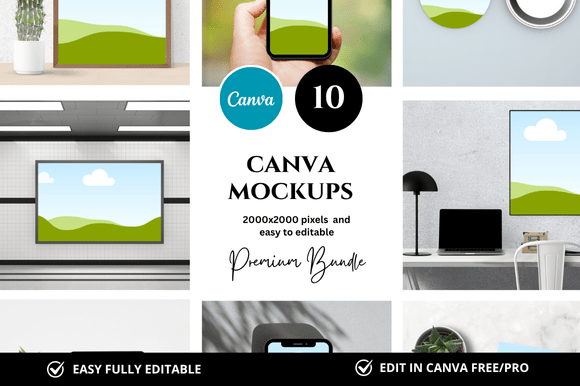
A 10 Photo Canva Mockup is a layout designed to hold ten images in a single composite design. It can come as a pre-made Canva template, often found in Canva's free or pro library, or you can build one from scratch using frames, grids, and smart guides. The mockup typically includes placeholder boxes or frames that you simply drag your own images into. The layout often includes a background, optional text areas, and sometimes decorative elements like shadows or borders.
The key idea is consistency. Each photo slot is the same size or follows a balanced visual hierarchy. This eliminates the random cropping and uneven spacing that often happens when you try to arrange photos manually in a document or presentation. The result is a uniform, gallery-style showcase that looks like it was prepared by a professional designer.
Common Challenges That a 10 Photo Canva Mockup Solves
If you have ever tried to lay out ten photos in a single document, you have likely run into these frustrations:
- Inconsistent sizing – Photos often come in different aspect ratios, making them look mismatched when placed side by side.
- Time wasted on alignment – Manually dragging, resizing, and nudging images into place takes much longer than expected.
- Cluttered appearance – Without a structured grid, ten photos can easily feel crowded or chaotic.
- Lack of professional polish – Raw image placement without thoughtful spacing or background design can make even high-quality photos look amateur.
- Difficulty maintaining brand consistency – If you are presenting work for a business or client, stray colors and awkward spacing can dilute your brand message.
A 10 Photo Canva Mockup directly addresses each of these pain points. It gives you a framework where all images sit in predetermined slots, with uniform spacing and optional color accents. You do not have to reinvent the layout every time you need to present multiple visuals.
Photographers and Creative Portfolios
For photographers, a 10 Photo Canva Mockup is a practical way to present a series of shots from a single shoot. Instead of sending a client a folder full of individual files, you can deliver a single image or PDF that shows a curated selection. This is especially useful for events like weddings, portrait sessions, or commercial shoots where you want to show variety without overwhelming the viewer.
You can arrange the ten photos in a narrative order—beginning with wide shots, moving to detail shots, and ending with a strong closing image. The uniform layout helps the client focus on the content rather than the formatting. Many photographers also use these mockups for social media posts, creating a carousel-style image that tells a story in one frame.
Small Business Owners and Marketers
If you run a small business, you often need to showcase multiple products, services, or customer testimonials in a single graphic. A 10 Photo Canva Mockup allows you to feature ten product variations, ten before-and-after pairs, or ten customer success shots in a clean, branded layout.
For instance, a skincare brand could use the mockup to display ten product bottles in a grid, each with a consistent background and lighting adjustment applied in Canva. A real estate agent might use it to show ten property photos in one listing teaser. The mockup becomes a repeatable asset—once you design it with your brand colors and logo, you can swap out the images for each new campaign without starting from zero.
Educators and Content Creators
Teachers, trainers, and online course creators often need to present examples, steps, or case studies visually. A 10 Photo Canva Mockup can serve as a visual summary of a process—showing ten steps of a tutorial, ten examples of student work, or ten key concepts in a single infographic-style image.
Content creators can repurpose these mockups for Pinterest pins, Instagram posts, or YouTube thumbnails that feature multiple images. The structured layout helps viewers scan the content quickly, which is critical when you are competing for attention on social platforms.
Start with a Purposeful Grid
Before you choose specific images, decide what story the ten photos need to tell. Are they all the same type of image, or do they vary in importance? For example, if you are creating a portfolio, you might want one hero photo to be slightly larger and the remaining nine to be smaller. Not all 10 Photo Canva Mockup layouts need to be a strict 5-by-5 grid. Canva’s frames allow you to mix sizes while keeping the overall structure clean.
Use Canva’s built-in grid tool to create your baseline layout, then customize it by grouping and ungrouping cells. You can also use frames shaped like circles, rounded rectangles, or polaroids to add visual interest without sacrificing order.
Choose a Cohesive Background
The background of your mockup matters more than you think. A neutral white or light gray background works well for almost any set of images because it does not compete for attention. If you want to match a brand color, use a soft tint instead of a saturated hue. The goal is to make the photos themselves stand out, not the backdrop.
Some designers add a subtle shadow or border around each photo slot in the mockup. This gives depth and separates the images from one another. It is a small detail that makes a big difference when you have ten images in one space.
Optimize Image Quality Before Inserting
Since a 10 Photo Canva Mockup compresses multiple images into one canvas, each image may appear smaller than usual. To maintain clarity, crop and resize your photos before you bring them into Canva. Aim for square or consistent aspect ratios if the mockup calls for uniform cells. If your images are too wide or too tall, they may get cropped awkwardly inside the frames.
Also, consider color consistency. If you are presenting a set of product photos, make sure the lighting and white balance are similar across all ten images. A mismatch in color temperature can make the mockup look disjointed.
Add Minimal Text to Support the Visuals
A 10 Photo Canva Mockup is primarily a visual tool, but a small amount of text can add context. Use headings, labels, or brief captions to tell the viewer what they are looking at. For example, a mockup showing ten vacation photos could have a title like "Greece 2024 Highlights" and subtle date stamps under each image. Keep the text font simple and the size readable but not overpowering.
Be careful not to clutter the layout with too many words. The photos are the main event. Text should guide, not compete.
Quick and Simple
If you need a mockup fast, look for a ready-made Canva template that includes ten photo slots. Many are free and require only dragging in your images. This approach works well for social media posts, internal team updates, or quick client previews where speed is more important than custom branding. You can then use color overlays or font adjustments to give it a personal touch.
Branded and Repeatable
For ongoing use, create a custom 10 Photo Canva Mockup that you save as a template. Add your logo, brand colors, and a signature background. Then, each time you need to present ten images, you simply duplicate the template and replace the photos. This is ideal for agencies, product catalogs, and recurring reports. Over time, building a library of these branded mockups saves hours of redesign work.
Creative and Artistic
If you want to stand out, experiment with non-standard layouts. Instead of a perfect grid, try a collage style where photos overlap slightly at the edges, or use frames that vary in shape and size. Canva’s transparent background option lets you layer images over a custom backdrop, giving you more freedom. This approach works best for artistic portfolios, mood boards, and creative presentations where breaking the grid is part of the aesthetic.
Common Mistakes to Avoid
Even a good 10 Photo Canva Mockup can fall flat if you overlook a few details. First, avoid using too many different photo styles in one layout. Mixing black-and-white images with highly saturated color photos can create visual confusion. Stick to a consistent editing style across all ten images.
Second, do not overcrowd the canvas. If your mockup includes heavy borders, background patterns, or large text, the images themselves may feel squeezed. Leave enough white space so each photo can breathe.
Third, test your mockup on different screen sizes. A layout that looks balanced on a desktop monitor may appear cramped on a phone screen. Canva allows you to preview your design at various sizes, so take advantage of that before finalizing.
Putting It All Together
The real value of a 10 Photo Canva Mockup is not just in the time it saves. It is in the consistent, professional presentation that helps your audience focus on your work rather than the layout. Whether you are a photographer wrapping up a wedding gallery, a marketer launching a new product line, or an educator compiling student achievements, this tool gives you a framework that works again and again.
Start by identifying the specific need you have—quick social post, branded catalog, or creative collage—then choose or build a mockup that serves that purpose. With a little upfront effort, you will have a repeatable asset that makes every set of ten photos look intentional and polished.
And because Canva updates its template library regularly, you can always find fresh inspiration. But the most powerful approach is to create your own custom version that reflects your unique visual identity. That is when a simple layout becomes a genuine asset for your work.