Homegrown Goose PNG: Design Ideas and Uses
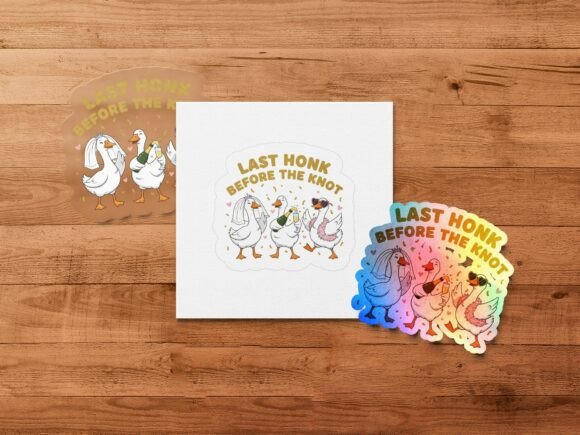
If you have come across the term Homegrown Goose PNG, you are likely working on a project that calls for a distinct visual element—something that feels natural, slightly rustic, and full of character. A PNG graphic of a goose that carries a "homegrown" aesthetic is more than just a clip art file. It is a design asset that can anchor a brand, add warmth to a layout, or bring a touch of farmland charm to digital and print work. Whether you are designing labels for a small-batch food product, creating social media content for a rural lifestyle blog, or building a visual identity for a local farm cooperative, understanding how to use this asset well makes the difference between a generic graphic and one that actually connects with an audience.
The value of a high-quality PNG lies in its transparency and flexibility. You can drop it into almost any background, resize it without losing edges, and layer it with other elements. But the creative potential goes far beyond simply inserting a goose into a page. Let’s explore what makes Homegrown Goose PNG interesting, how different users can adapt it, and how to keep your results clear and effective.
What Makes Homegrown Goose PNG Distinct
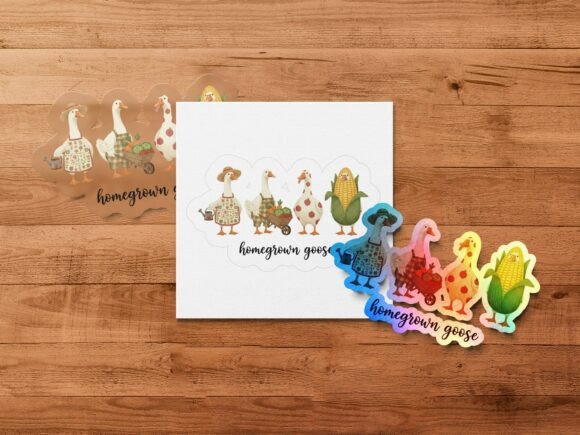
A standard goose illustration can feel flat or overly cartoonish. The "homegrown" aspect suggests something more intentional. This PNG typically features a goose rendered in a style that evokes rural life, backyard farming, or hand-drawn warmth. The line work may be rough but deliberate, the color palette muted or inspired by natural tones, and the overall mood grounded rather than polished. This makes it suitable for projects that want to communicate authenticity, simplicity, and a connection to the land.
Because it is a PNG, you get a clean cutout with no background. That means you can place the goose on a kraft paper texture, a sky gradient, a chalkboard surface, or a modern pastel block without worrying about white boxes or mismatched edges. This technical advantage, combined with the aesthetic of homegrown design, opens up many creative directions.
Key traits you might find in Homegrown Goose PNG:
- Hand-drawn or ink-style outlines that feel personal
- Subtle texture or shading that suggests analog creation
- Natural color choices—browns, creams, soft greens, slate grays
- A pose or expression that feels characterful without being silly
- Enough detail to be interesting, but simple enough to scale down
These qualities make the graphic versatile for both primary focal points and supporting elements in a composition.
For small business owners and entrepreneurs
If you run a farm stand, a CSA program, an organic pet treat company, or a local honey brand, your visual identity needs to signal trust and origin. Homegrown Goose PNG can become a mascot or a recurring motif. Use it on labels, hang tags, business cards, and thank-you inserts. Because the style is grounded, it does not compete with product photography. Instead, it reinforces the message that what you offer comes from a real place with real care.
Ideas for small business use:
- Logo variation for seasonal campaigns
- Watermark on social media photos of farm life
- Illustration on reusable tote bags or produce boxes
- Decal on farm signage or vehicle magnets
One example: A pastured egg producer could use the goose PNG on egg carton labels alongside a simple serif font. The goose adds warmth, while the label remains readable and professional. Customers associate the image with the quality of the product.
For designers and creative professionals
As a designer, you know that sourcing the right illustration can take hours. Homegrown Goose PNG saves time because it is ready to use and designed with a consistent style. You can incorporate it into larger compositions—think posters for a harvest festival, menu covers for a farm-to-table restaurant, or packaging mockups for a new granola line.
Ways to adapt the graphic:
- Overlay with text and keep the goose as a background element
- Combine with other homegrown-style PNGs for a cohesive set
- Use as a spot illustration in recipe cards or blog headers
- Invert colors for a dark-mode version on social media
The PNG format lets you experiment with layering. You can place the goose behind a semi-transparent shape, clip it inside a circle, or let it peek out from behind a block of text. Because the image has character, it pulls attention without needing to be large.
For bloggers and content creators
Bloggers covering topics like homesteading, backyard poultry, slow living, or seasonal cooking often need visuals that feel personal rather than stock. Homegrown Goose PNG fits naturally into this space. Use it as a featured image for an article about raising geese, as a divider between sections, or as a small icon next to your email newsletter signup.
Practical content applications:
- Pinterest pins with the goose as a central image
- Instagram story stickers when sharing farm updates
- Ebook cover illustrations for guides on small-scale farming
- Printable wall art for a country-style home office
Consider a blog post titled "Five Reasons to Keep Geese on Your Homestead." A Homegrown Goose PNG placed at the top of the article immediately signals the topic and sets a visual tone. Readers who scroll past will remember the image even if they only skim the text.
For educators and hobbyists
Teachers, nature center staff, and 4-H leaders can use this PNG for educational materials. A clear, friendly goose illustration works well on worksheets, coloring pages, presentation slides, or identification cards. Because the style is approachable, it suits mixed-age audiences from young children to adults.
Educational uses:
- Nature journal templates with the goose as a reference
- Printable farm animal bingo or matching games
- Lesson slides about waterfowl or local agriculture
- Handout covers for workshops on animal care
The PNG format makes it easy to insert into Google Docs, Canva, PowerPoint, or any editor educators use. No need to worry about background clash or file incompatibility.
How to Keep Results Clear and Audience-Friendly
Working with a graphic like Homegrown Goose PNG requires some attention to context. A charming illustration can look out of place if the surrounding design is too sleek or industrial. To keep results cohesive, consider these guidelines.
- Match contrast levels. If the goose has soft, hand-drawn lines, pair it with fonts and shapes that have similar weight. A heavy sans-serif or a neon border can overpower the illustration.
- Watch the background. Because the PNG is transparent, place it on surfaces that complement its natural palette. Earth tones, muted colors, and light textures work well. Busy or high-saturation backgrounds can make the details hard to read.
- Maintain scale consistency. If you use the goose as a recurring element, keep its size proportional across different materials. A goose that is tiny on a business card but huge on a social media banner may confuse your visual identity.
- Use negative space. Do not crowd the goose with too many competing elements. Give it room to breathe, especially if it is the focal point.
When used with care, a single PNG can carry a surprising amount of brand weight. The key is repetition and placement. Seeing the same goose on a label, a website, and a brochure builds recognition over time.
Adapting for Different Platforms and Formats
Digital and print environments have different requirements, but a good PNG adapts well to both. For web use, keep the file size reasonable by compressing without losing transparency. For print, ensure the resolution is high enough—300 DPI is standard for labels, flyers, and merchandise.
Platform-specific tips:
- Social media. Use the goose in square posts, story backgrounds, or as a profile frame during relevant seasons. Consider adding a subtle shadow or outline if the platform background changes color.
- Websites. Place the goose in your hero section, sidebar icon, or footer to reinforce your theme. Use it sparingly so it does not become distracting.
- Merchandise. T-shirts, mugs, and tote bags benefit from a single-color version of the PNG. Work with a printer to convert the file into a spot-color design if needed.
- Email newsletters. Insert the goose in your header or as a bullet point icon. PNG transparency ensures it blends with email background colors.
If you are unsure about placement, test the asset on a few mockups before finalizing. A goose that works beautifully on a light tan background may need adjustment for a white or very dark one.
Balancing Inspiration with Practicality
Creative projects often start with a spark of inspiration, but the best results come from practical decisions. Homegrown Goose PNG offers a strong visual anchor, but it is not a complete solution on its own. Think of it as a building block. Pair it with solid typography, a clear message, and a layout that respects the viewer’s attention.
For instance, a farmer’s market booth might use the goose on a banner and also on price tags. The repetition helps customers connect the image with the stall. However, if the banner has too many colors or fonts, the goose becomes just another element instead of a memorable one. Simplify around the graphic so it can do its job.
Realistic example: A small-batch jam maker uses Homegrown Goose PNG on jar labels. The label has the goose centered above the flavor name, a thin border, and a light cream background. The same goose appears on the brand’s Instagram account in a post showing the week’s harvest. Followers begin to recognize the goose as a symbol of the brand’s quality and care. Over time, the image becomes shorthand for the product itself.
This kind of result does not require expensive design software or hours of editing. It requires thoughtful placement, consistent use, and respect for the asset’s style.
Final Thoughts on Using Homegrown Goose PNG
A single PNG file might seem like a small resource, but in the right hands it becomes a flexible tool for visual communication. Homegrown Goose PNG stands out because it combines practical format advantages with an aesthetic that feels present and real. Whether you are building a brand, creating content, or designing for a community, this graphic can help you express something specific without saying a word.
Focus on how it fits your audience, your platform, and your message. Keep the surrounding design clean, let the goose have space, and use it repeatedly across your materials. With these practices, you turn a simple illustration into a meaningful part of your creative work.