Holly Jolly Christmas PNG: A Practical Look at Digital Holiday Graphics
When you start searching for seasonal design assets, the name “Holly Jolly Christmas PNG” often appears. At first glance, it seems like just another holiday graphic file. But for anyone creating invitations, social media posts, websites, or printed materials during the festive season, understanding what this format offers can save time and improve results. This article walks through what Holly Jolly Christmas PNG entails, how it compares with alternative formats, and where it fits best in real-world projects.
What Is Holly Jolly Christmas PNG and Why It Stands Out
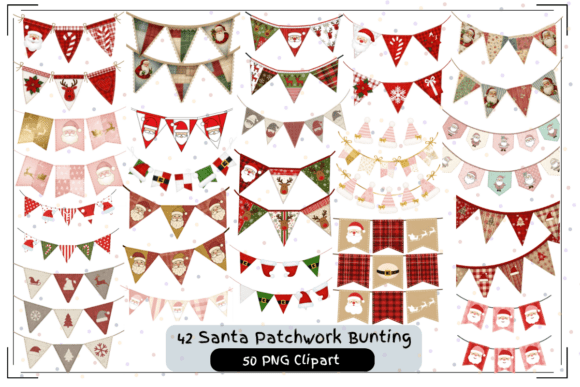
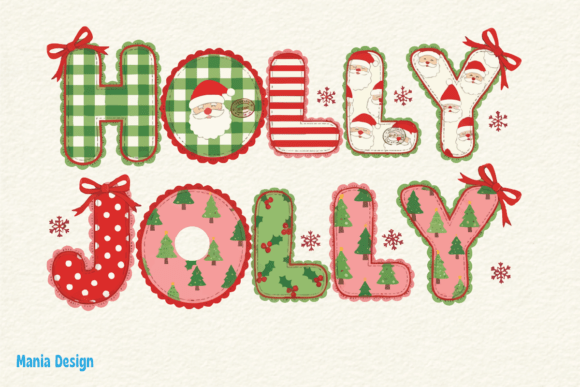
A Holly Jolly Christmas PNG is typically a transparent-background image that combines classic Christmas imagery—holly leaves, berries, ornaments, maybe “Holly Jolly” text—with the portability of the PNG format. The key distinction is the transparency: PNG supports alpha channels, allowing the graphic to overlay seamlessly on different backgrounds. That means you can drop a holly-and-berry cluster onto a red card, a white website header, or a patterned fabric mockup without any awkward white boxes around it.
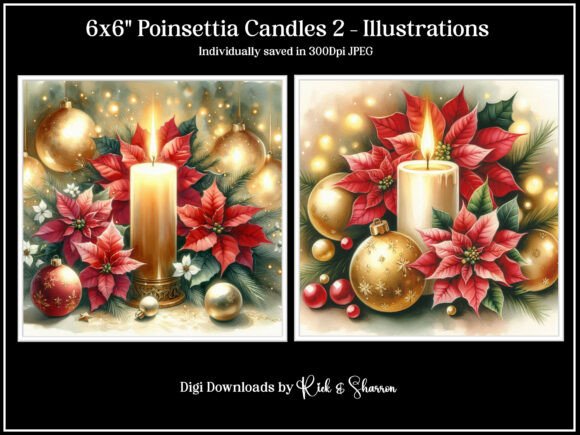
Many Holly Jolly Christmas PNG files come as individual elements or pre-made compositions. They might include hand-drawn or vector-based illustrations converted to raster PNG. The “Jolly” aspect often refers to warm, cheerful colors—deep greens, bright reds, gold accents—and a style that feels traditional yet lively. Compared to generic holiday clip art, these graphics tend to have higher resolution (often 300 DPI for print) and more polished shading.
For someone accustomed to using simple JPEG holiday images, the transparency alone is a game-changer. But it’s not the only factor. The size of a Holly Jolly Christmas PNG can be substantial—sometimes several megabytes—because it preserves fine details and multiple color nuances. That’s a tradeoff worth noting, especially when loading web pages or handling large batches of files.
Comparing Holly Jolly Christmas PNG with Other Graphic Formats
No single format works for every situation. To decide whether Holly Jolly Christmas PNG is right for your project, it helps to see how it stacks up against common alternatives.
PNG vs. SVG: Resolution vs. Scalability
Scalable Vector Graphics (SVG) are often the go-to for logos, icons, and simple illustrations because they resize infinitely without losing quality. A Holly Jolly Christmas SVG would be preferable if you need the image to shrink down to a favicon or blow up to a billboard. However, PNG handles complex gradients, textures, and photographic elements much better. For a detailed holly leaf with soft shadows and a subtle glow effect, PNG retains every pixel. SVG would require complex code to achieve that same natural look, and the file size might balloon. So if your project calls for intricate, richly rendered holiday art, Holly Jolly Christmas PNG is a better fit. If you need clean, scalable line art or typography, SVG wins.
PNG vs. JPEG: Transparency vs. File Size
JPEG is smaller and widely used for photographs, but it lacks transparency. A Holly Jolly Christmas JPEG would lock you into a rectangular white background, which limits design flexibility. For instance, placing a JPEG holly wreath over a dark wood tabletop mockup would look unnatural because the white corners remain. PNG solves that. The cost is a larger file—often three to five times bigger than an equivalent JPEG. If you are sharing images over email or embedding them in a lightweight mobile app, that extra weight might matter. But for most print and web projects where quality and transparency are priorities, the larger PNG size is acceptable. Many designers keep a Holly Jolly Christmas PNG as their primary asset and only convert to JPEG for specific low-bandwidth uses.
PNG vs. GIF: Color Depth and Animation
GIFs support animation and transparency, but only 256 colors. A Holly Jolly Christmas GIF would lose the subtle reds and greens that give the artwork its richness. PNG-24 offers millions of colors and full alpha transparency—perfect for smooth edges and gradients. GIF is better for simple looping animations (a bouncing ornament, a blinking star). If your Holly Jolly Christmas graphic is static, PNG is the superior choice. If you need motion, consider PNG sequences or an animated format like APNG, though support is less universal.
Where Holly Jolly Christmas PNG Shines: Use Cases and Strengths
Understanding when to reach for this format helps you work more efficiently. Here are the scenarios where Holly Jolly Christmas PNG delivers the most value.
- Layered design projects. When you’re compositing multiple elements in Photoshop, Canva, or InDesign, PNG’s transparency lets you stack a holly cluster over a snowy background without masking work. Each PNG stays editable and independent.
- Print-on-demand products. T-shirts, mugs, and tote bags often require crisp graphics with transparent surrounds. A high-resolution Holly Jolly Christmas PNG (300 DPI) prints cleanly on white or colored substrates.
- Social media overlays. Instagram stories, Facebook posts, and Pinterest pins benefit from transparent festive elements that can sit over photos. You can add “Holly Jolly” text PNGs without clashing with existing design.
- Digital scrapbooking and invitations. For personalized holiday cards or e-invites, a Holly Jolly Christmas PNG offers the warmth of traditional illustration with the convenience of drag-and-drop placement.
Strength in these areas comes from the format’s ability to maintain fine detail and blend with any background. The “Holly Jolly” style often incorporates hand-lettered text or ornate elements that look artificial in vector-only form. PNG captures every brushstroke or texture.
Limitations and Tradeoffs You Should Consider
Every tool has its downsides. Holly Jolly Christmas PNG is not immune.
File Size and Performance
As mentioned, a detailed 300 DPI PNG can be several megabytes. Using multiple PNGs on a single webpage can slow load times. If you run an e-commerce store with dozens of holiday graphics, you need to optimize: compress PNGs with tools like TinyPNG or use next-gen formats like WebP (which also supports transparency) as a complement. For print, file size is less of an issue.
Scalability Constraints
PNG is a raster format. Zoom in too far and you’ll see pixels. A Holly Jolly Christmas PNG intended for a 4×6 inch card cannot simply be scaled up to a 2×3 foot banner without quality loss. For large-format printing, you would need a vector version or a very high-resolution PNG (4K or more). Always check the actual pixel dimensions before buying or downloading a Holly Jolly Christmas PNG. If the file is 1200×1200 pixels at 72 DPI, it’s fine for web but not for poster-sized prints.
Limited Editability
Once a design is flattened into a PNG, individual components are locked. You cannot change the color of a holly berry or reposition the text without starting over in the original editable file (like a PSD or AI). If you anticipate needing to customize the graphic—changing the phrase from “Holly Jolly” to “Merry Christmas”—look for a layered source file or an SVG that allows text editing. Many Holly Jolly Christmas PNG sellers also provide editable versions, but the PNG itself is a final product.
When Holly Jolly Christmas PNG Might Not Be the Right Choice
Consider alternatives if any of these apply:
- You need uniform branding across all sizes. A scalable vector ensures your holly logo looks identical on a business card and a storefront sign. PNG would need multiple versions.
- You are working with very low bandwidth or storage limits. JPEG or WebP can reduce file size dramatically, though you lose transparency. For simple web icons, SVG is smaller and responsive.
- You plan to extensively edit the artwork. Starting with a source file (AI, EPS, PSD) gives you control over every layer. PNG is a final rendering—useful for output, not for reworking.
- You require animation. A Holly Jolly Christmas GIF or a CSS-animated SVG would serve better for a bouncing holly sprig on a website.
That said, many designers keep a collection of Holly Jolly Christmas PNG files for quick use. The decision often comes down to whether the project prioritizes immediate ease of placement (PNG wins) or long-term flexibility (vector or editable formats win).
Decision Factors: How to Choose the Right Holly Jolly Christmas Resource
When evaluating a specific Holly Jolly Christmas PNG, look beyond the filename and preview. Here are practical criteria:
- Resolution and DPI. For print, aim for at least 300 DPI at your desired output size. For web, 72 DPI is standard, but make sure pixel dimensions match your layout.
- Transparency quality. Check edges for jaggedness or leftover halos. A well-made PNG has smooth, anti-aliased edges that blend naturally.
- Color profile. If you’re printing, sRGB or Adobe RGB matters. Some Holly Jolly Christmas PNGs come in CMYK, which is ideal for professional print—but confirm before using.
- License. Whether you’re using the graphic for personal holiday cards or commercial merchandise, verify usage rights. Many premium Holly Jolly Christmas PNG packs include extended licenses for products.
- Source file availability. If customization may be needed later, see if the seller offers an editable version. That can save you from having to recreate the graphic from scratch.
By weighing these factors, you can confidently decide whether a given Holly Jolly Christmas PNG matches your workflow.
Practical Examples in Real Projects
Imagine you are designing a holiday email newsletter. You want a holly-and-berry graphic in the header, over a dark evergreen background. A Holly Jolly Christmas PNG with transparency lets you drop the graphic in and adjust its position without masking. The file might be 500 KB at 1200×600 px, which is fine for email clients that cache images. Compare that to using a JPEG—you would need to manually cut out the background, and the result would likely have rough edges. The PNG saves time and looks more polished.
Now consider a small business owner creating a window decal for their storefront. The decal needs to be 36 inches wide. If the Holly Jolly Christmas PNG they have is only 2000 px wide at 72 DPI, the print will be blurry. In that case, they should either source a larger PNG (ideally 10800 px wide at 300 DPI) or use a vector version that scales infinitely. Knowing the final output size upfront prevents disappointment.
Another example: a social media manager for a retail brand wants to post a series of festive stories. They have a Holly Jolly Christmas PNG of a “Happy Holidays” banner. Because it’s transparent, they can overlay it on product photos, seasonal backgrounds, and video clips. The consistency of the graphic across different posts builds brand recognition. The PNG format works well here because Instagram compresses images anyway, so the original file’s quality is less critical than the ease of layering.
Final Considerations for Your Holiday Design Toolkit
Holly Jolly Christmas PNG is a strong candidate for many holiday graphic needs, especially when you value transparency, color richness, and immediate usability. It excels in digital compositing, small-format print, and social media overlays. Its main drawbacks are file size and lack of scalability for large prints, as well as limited editability. By comparing it with vectors, JPEGs, and other formats, you can pick the right tool for each task.
Whether you’re a seasoned designer or a DIY crafter, having a well-chosen collection of Holly Jolly Christmas PNG files in your digital toolbox can make your holiday projects both festive and efficient. Evaluate your specific output requirements, test the graphic in your layout, and don’t hesitate to mix formats—use PNG for the intricate holly illustration and SVG for the clean “Merry Christmas” typography. That combined approach often yields the best results without compromise.
As with any design resource, the most informed choice comes from understanding the format’s strengths and limits. Holly Jolly Christmas PNG is not a one-size-fits-all solution, but when it fits, it fits beautifully.