Crochet Christmas Trees
There is something quietly satisfying about making your own holiday decorations. Among the many handmade options gaining attention in recent years, crochet Christmas trees have emerged as a particularly appealing choice. These aren't just miniature ornaments or simple tree shapes. They range from small tabletop pieces to wall hangings, garlands, and even full-sized floor trees made entirely from yarn. The appeal lies partly in their versatility and partly in the growing desire for decorations that feel personal, durable, and kind to the planet.
For many, the holiday season brings a familiar loop of buying plastic or mass-produced items that are used for a few weeks and then stored away. Crochet Christmas trees offer an alternative that is both creative and functional. They take time to make, but that time translates into something unique. Whether you are a seasoned crocheter or someone who has never picked up a hook, the trend toward handmade holiday decor is worth understanding—not just as a crafting fad, but as a shift in how we think about celebration, consumption, and creativity.
What Makes Crochet Christmas Trees Relevant Now
The interest in crochet Christmas trees sits at the intersection of several larger cultural shifts. People are increasingly looking for ways to slow down during the holiday season. The pressure to buy everything new, to keep up with the latest trends in decor, can feel exhausting. Handmade decorations naturally resist that cycle. When you make something yourself, you control the materials, the colors, and the size. You also create something that can be used year after year without contributing to the waste that often accompanies seasonal consumerism.
At the same time, the craft industry has seen a steady rise in participation among younger adults. Crochet, in particular, has experienced a resurgence in popularity. Social media platforms have made it easier to share patterns, finished projects, and tutorials. A quick search reveals thousands of examples of crochet Christmas trees in all shapes and styles—some whimsical, some minimalist, some covered in tiny embellishments. The barrier to entry is low, and the results are immediately gratifying.
From a practical standpoint, crochet Christmas trees also solve a few common holiday decorating problems. They are lightweight, easy to store, and unlikely to break. For households with young children or pets, a soft yarn tree is far safer than a fragile glass ornament or a tabletop tree that sheds needles. And for those living in small apartments or traveling during the holidays, a folded crochet tree takes up almost no space in a suitcase or storage bin.
The Shift Toward Intentional Holiday Decor
What was once considered a niche hobby has quietly become a meaningful alternative to the standard holiday shopping routine. People are paying more attention to where their decorations come from and how they are made. This is not about rejecting all store-bought items, but about adding a layer of intention to the choices we make. A crochet Christmas tree can be a gift, a family project, or a personal creative challenge. It carries a story that a box from a big retailer cannot replicate.
For entrepreneurs and small business owners, this shift opens opportunities. Selling handmade crochet Christmas trees on platforms like Etsy or at local craft fairs has become a viable way to earn income during the holiday season. The demand for unique, handmade decor continues to grow, and buyers are often willing to pay a premium for something that cannot be found in a chain store. Marketers and bloggers can also tap into this trend by creating content that helps people get started, choose patterns, or find supplies.
How Crochet Christmas Trees Have Evolved
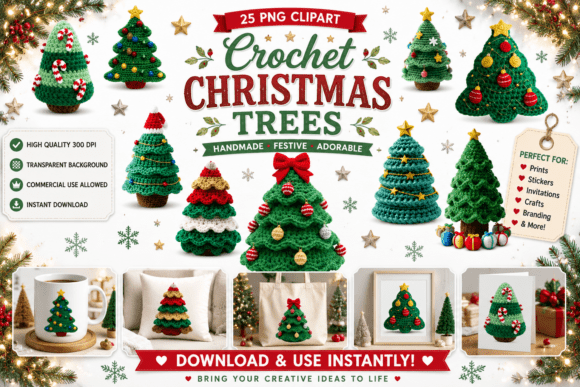
Crochet Christmas trees are not an entirely new idea. People have been making yarn trees for decades, often as simple ornaments or small holiday accents. What has changed is the variety of designs and the availability of information. Early patterns were often limited to basic cone shapes with minimal detail. Today, you can find patterns for trees with textured stitches, color gradients, built-in decorations, and even integrated lights. Designers have experimented with different yarn weights, from chunky chenille for a soft, modern look to fine cotton for intricate lace-like trees.
The tools and materials have also become more accessible. Yarn is available in an enormous range of colors and fibers, and online marketplaces make it easy to find exactly what you need. Video tutorials have replaced printed diagrams for many crafters, making it easier to learn new techniques. This evolution means that a beginner can start with a simple tree pattern and gradually work up to more complex projects without feeling overwhelmed.
Another noticeable change is the use of crochet Christmas trees in non-traditional ways. They are no longer limited to the mantelpiece or the Christmas tree itself. People hang them on walls as part of a gallery display, use them as centerpieces, or incorporate them into wreaths and garlands. Some crafters have even designed modular trees that can be assembled and disassembled, allowing for easy customization each year.
Why More People Are Making the Switch
Part of the appeal is rooted in the experience of making itself. Crochet is a rhythmic, repetitive activity that can be calming in a season that often feels rushed. The act of creating something with your hands offers a tangible sense of accomplishment. For professionals and freelancers who spend much of their day in front of screens, sitting down with yarn and a hook provides a welcome change of pace. It is a form of active relaxation that produces something useful.
There is also a growing awareness of the environmental impact of holiday decorations. Many commercial decorations are made from plastics that will eventually end up in landfills. Crochet Christmas trees, especially those made from natural fibers like cotton or wool, are biodegradable and can be reused indefinitely. Even synthetic yarns last for years when cared for properly. For those trying to reduce their household waste, handmade decorations offer a simple way to align holiday traditions with personal values.
Practical Implications for Different Audiences
For hobbyists, crochet Christmas trees offer an accessible project that can be completed in a few hours or expanded into something more elaborate. They make excellent gifts, especially when paired with a handmade card or packaged with a small treat. The satisfaction of giving something you made yourself is hard to overstate, and recipients often appreciate the effort and thoughtfulness behind it.
For educators and workshop facilitators, teaching a class on crochet Christmas trees can be a popular offering during the fall months. The project is simple enough for beginners but allows for creativity and variation. Community centers, libraries, and yarn shops often host holiday-themed workshops, and tree patterns fit the season perfectly. It is also a way to introduce people to crochet as a lasting skill, not just a seasonal activity.
For entrepreneurs, the market for handmade holiday items is steady and growing. A well-made crochet Christmas tree, especially one that is photographed attractively and priced fairly, can sell consistently from October through December. Building a small inventory of trees in different sizes and colors provides variety without requiring an overwhelming amount of time or materials. Social media accounts dedicated to handmade decor can attract followers who are actively looking for unique holiday items.
Business owners and marketers can also use the trend as content. Writing blog posts about how to choose the right yarn, comparing popular patterns, or sharing a beginner's guide to making a first tree can attract readers who are searching for holiday project ideas. The topic naturally lends itself to seasonal content that feels timely without being disposable.
Getting Started Without Overcomplicating It
If the idea of making a crochet Christmas tree sounds appealing, the best approach is to start small. A simple tree pattern that uses basic stitches like single crochet and double crochet is enough to produce a satisfying result. Many free patterns are available online, and video walkthroughs can help with any confusing steps. Choose a yarn color that fits your existing decor or that reflects the traditional greens, whites, or metallics of the season.
For those who prefer not to crochet themselves, buying from independent makers is a meaningful alternative. Supporting a small creator supports the broader handmade economy and ensures that the item you receive has been crafted with care. Look for sellers who provide clear photos, honest descriptions, and sustainable packaging options.
Practical Recommendations for Long-Term Use
Once you have a crochet Christmas tree, caring for it is straightforward. Most yarn trees can be gently hand washed or spot cleaned if needed. Store them in a dry place away from direct sunlight to prevent fading. If the tree is made from a sturdy yarn and well-constructed, it should last for many years. Some crafters add a light spray of fabric stiffener to help the tree hold its shape, but this is optional and depends on the design.
Consider making a few trees in different sizes so you can create a small forest effect on a shelf or mantel. Alternating heights and colors adds visual interest without requiring additional ornaments or accessories. If you enjoy adding embellishments, tiny crochet stars, beads, or buttons can be sewn onto the tree for a personalized touch.
A Note on Trends and Staying Grounded
While it is tempting to frame every new crafting trend as revolutionary, the reality is more modest. Crochet Christmas trees are not going to replace the billions of decorations sold in stores every year. But they do represent a meaningful option for people who want something different. The trend is grounded in real, practical benefits: durability, customizability, low environmental impact, and the simple joy of making something by hand. Those benefits are likely to outlast any seasonal hype.
Looking Ahead Without Overpromising
As more people seek ways to make the holidays feel personal rather than transactional, handmade decorations will continue to hold a place. Crochet Christmas trees, in particular, are well suited to this moment. They are adaptable to different skill levels, aesthetic preferences, and budgets. The materials are widely available, and the patterns continue to evolve as designers experiment with new techniques.
For professionals, creators, and everyday readers alike, the takeaway is straightforward: handmade holiday decor is not a passing curiosity. It reflects a broader preference for items that are made with intention and used with appreciation. Whether you make one yourself or support someone who does, crochet Christmas trees offer a small but meaningful way to shift how we approach the holiday season. And that shift, however small, is worth paying attention to.